Enchantment and Enigma: Why Goblins Keep Us Spellbound
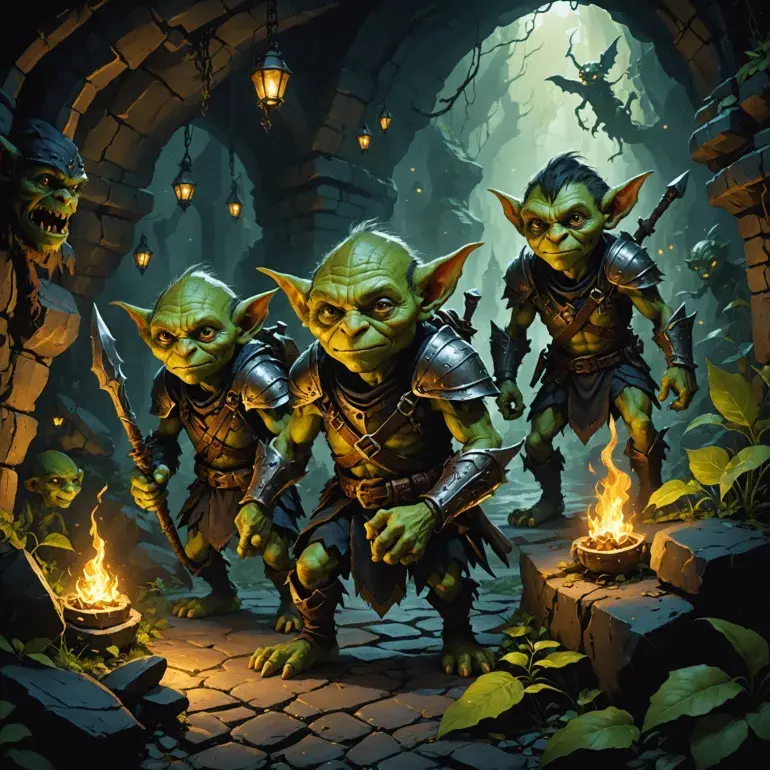
Step into any fantasy realm, and chances are, you’ll encounter goblins—those mischievous, often misunderstood fantasy creatures that have hopped out of folklore and firmly planted themselves in the heart of modern storytelling. But what is it about goblins that makes them so irresistibly captivating to audiences around the globe? From shadowy figures lurking in ancient mythology to quirky side characters in blockbuster films and video games, goblins have evolved far beyond their original roots, embodying themes of cunning, chaos, and sometimes even comic relief.
Yet, despite their ubiquity, goblins remain a bit of a puzzle. Are they mere villains, playful tricksters, or something far more complex? The line between myth and media blurs, creating a fascinating dialogue between old tales and new interpretations. For enthusiasts of fantasy creatures and mythology alike, this raises intriguing questions: How do these tiny, often grotesque beings continue to inspire such varied narratives? And what does their persistence tell us about the human imagination? best bet in kenya
The Hidden Layers Behind Goblin Lore in Popular Culture
Before goblins became staple characters in films and games, their origins were steeped in folklore from Europe and beyond—stories passed down through generations that painted goblins as both fearsome and fascinating. Over time, these mythical creatures have been reshaped, adapted, and sometimes sanitized to fit the shifting tastes of audiences hungry for immersive worlds and memorable characters.
Interestingly, the resurgence of goblin myths in contemporary media parallels a broader renaissance of folklore-inspired fantasy. Whether it’s the gritty realism of certain fantasy video games or the whimsical charm of animated films, goblins serve as versatile symbols of the unknown and the uncanny.
For those diving into fantasy realms, understanding goblins’ mythological roots enriches the experience, much like knowing the backstory behind a “best bet in kenya” can enhance your approach to online gaming strategies. Just as seasoned bettors turn to trusted sources for insight, fans of fantasy narratives benefit from decoding the layers of meaning embedded in these creatures’ portrayals.
What to Expect in This Exploration
This article will journey through the fascinating evolution of goblins—from their tangled origins in ancient mythology to their dynamic roles in today’s films and games. We will examine how folklore informs character design, plot development, and world-building, revealing why goblins remain perennial favorites among fantasy creatures.
Along the way, you’ll discover:
- Key differences between traditional goblin myths and their modern depictions
- Examples of iconic goblin characters in cinema and gaming
- Insights into how mythology continues to shape storytelling techniques
By unpacking the mythical charm of goblins, this article aims to deepen your appreciation for the rich tapestry of fantasy media and the enduring power of folklore. Whether you’re a casual fan or a devoted lorehound, understanding these creatures’ journey helps illuminate the magic behind the worlds we love to explore.
Goblin’s Mythical Charm: Exploring Folklore in Media
What Are Goblins and How Do They Fit Into Mythology?
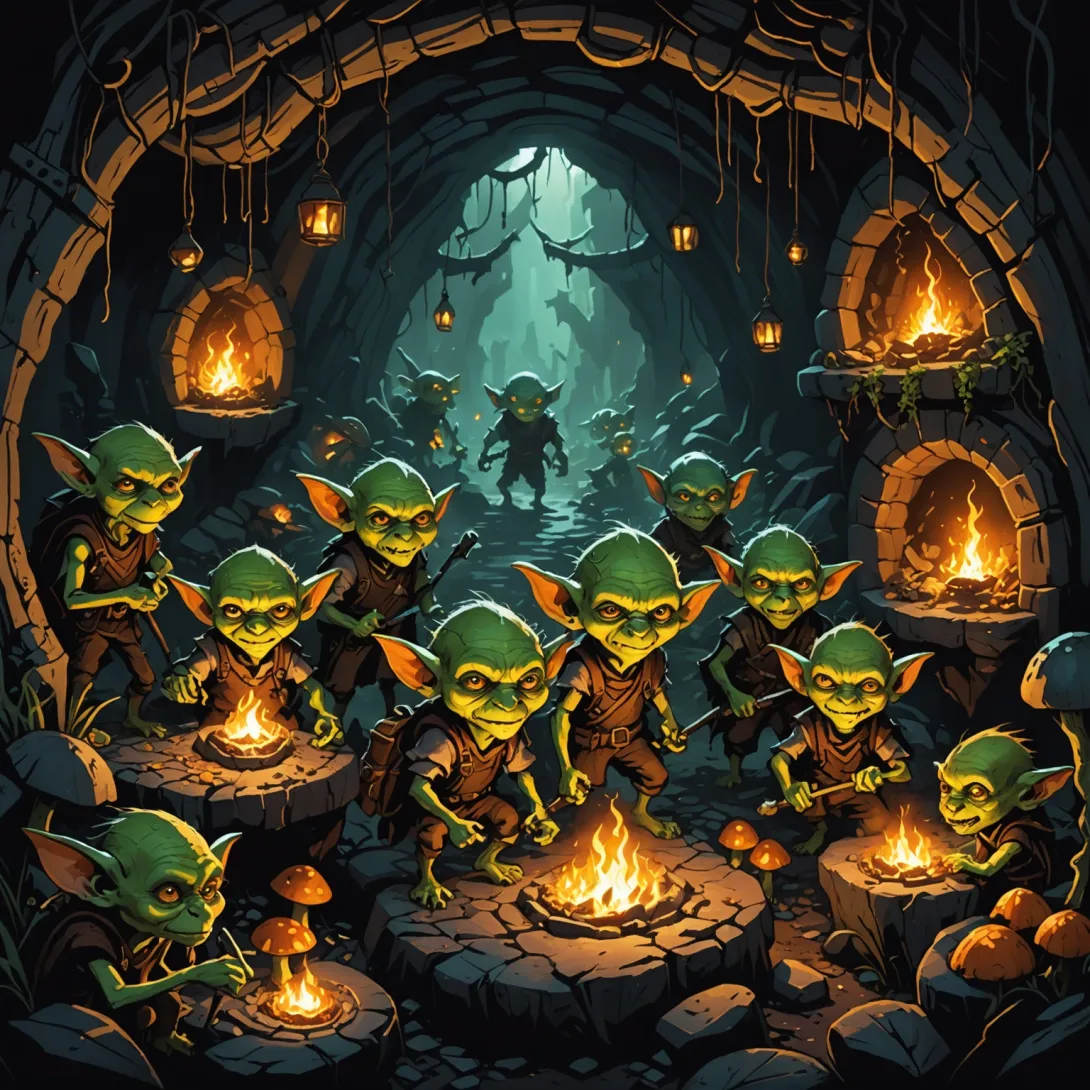
Goblins are one of the most enduring figures in global mythology, often depicted as mischievous, cunning, or malevolent fantasy creatures. Rooted in European folklore, particularly from the medieval period, goblins have been portrayed differently depending on cultural contexts. In English and Scandinavian traditions, they are typically small, grotesque beings living underground or in dark places, known for causing trouble or playing tricks on humans.
From a mythological standpoint, goblins represent the “other” — creatures that exist outside the bounds of civilized society and natural order. This makes them a rich source for storytelling, as they embody themes of fear, mystery, and the unknown. Because mythology evolves with cultural exchange, goblins have adapted over centuries, blending with other folklore figures such as trolls, dwarves, and imps, which has expanded their narrative potential.
How Have Goblins Influenced Fantasy Narratives in Films and Games?
The influence of goblin myths on modern fantasy media is profound and multifaceted. Films and games often leverage the goblin’s mythical charm by incorporating these creatures as antagonists, comic relief, or complex characters in their fantasy worlds. This is largely due to their versatile nature in folklore — goblins can be portrayed as both villainous and endearing, allowing storytellers to explore a wide range of themes.
For example, in the gaming industry, goblins are frequently featured in role-playing games (RPGs) and massively multiplayer online games (MMORPGs) such as World of Warcraft and Dungeons & Dragons. These fantasy creatures often serve as low-level enemies or quirky allies, adding depth and challenge to gameplay. Their presence helps build immersive worlds steeped in mythology that appeal to players seeking rich lore and dynamic storylines.
In cinema, goblins have appeared in notable fantasy films like the Harry Potter series, where they are integral to the magical economy and culture, and The Hobbit, where goblins (or “goblins” closely related to orcs) add to the dark and dangerous atmosphere of Middle-earth. These portrayals draw directly from folklore, adapting mythological traits to fit modern narratives while maintaining the creatures’ traditional essence.
Why Are Goblins and Other Fantasy Creatures So Popular in Media?
The popularity of goblins and other fantasy creatures stems from their ability to tap into deep-seated human curiosities about the supernatural, morality, and the unknown. Fantasy creatures like goblins offer a form of escapism, allowing audiences to explore complex ideas in a setting removed from reality.
Key reasons for their enduring appeal include:
- Symbolism: Goblins often symbolize chaos versus order, greed, trickery, or the marginalized “other,” which resonates with universal human experiences and societal themes.
- Adaptability: Their ambiguous nature allows them to be reimagined in countless ways, fitting diverse genres from horror to comedy to adventure.
- World-building: Including goblins enriches fantasy worlds, creating opportunities for intricate lore, unique cultures, and moral complexity.
- Interactivity: In games, goblins provide engaging challenges and narrative hooks, enhancing player immersion and emotional investment.
How Does Understanding Goblin Mythology Enhance the Appreciation of Fantasy Media?
By understanding the mythology behind goblins, viewers and players gain a deeper appreciation of the narratives and characters they encounter in fantasy media. Knowing the historical and cultural origins of goblins sheds light on why these creatures behave a certain way or symbolize particular themes.
For instance, recognizing goblins as representations of social outsiders or chaotic forces can lead to a richer interpretation of their roles in stories—whether as antagonists who challenge heroes or as misunderstood beings with their own cultures and motivations. This contextual knowledge encourages critical thinking about the narratives and enhances the emotional and intellectual engagement with the media.
Moreover, mythological awareness allows creators and audiences alike to spot and appreciate the nuances and variations in goblin portrayals across different media, from traditional depictions to innovative reinterpretations.
What Are Some Notable Examples of Goblin-Inspired Fantasy Media?
Several prominent films and games have drawn inspiration from goblin mythology to craft memorable and influential fantasy narratives:
- Films:
- Harry Potter series — Goblins as bankers and craftsmen, adding depth to the wizarding world.
- The Hobbit and The Lord of the Rings — Goblins/orcs as embodiments of evil and chaos in Middle-earth.
- Pan’s Labyrinth — Features goblin-like creatures blending folklore with dark fantasy themes.
- Games:
- World of Warcraft — Goblins as a playable race known for engineering and cunning.
- Dungeons & Dragons — Goblins as classic adversaries with rich lore and varying alignments.
- The Witcher series — Incorporates goblin-like beings within a complex mythological ecosystem.
Conclusion: The Enduring Mythical Charm of Goblins
Goblins continue to captivate audiences because they are more than just fantasy creatures; they are vessels of mythology that reflect human fears, desires, and cultural tensions. Their ability to inspire diverse fantasy narratives in films and games highlights their integral role in storytelling traditions. By exploring goblin myths in depth, both creators and consumers of media can unlock richer, more meaningful engagement with fantasy worlds.